

Natural Teething Relief: What Actually Works (And What Doesn't)
If you're a parent in the middle of teething season, you've probably tried everything. The frozen washcloth at 2am. The silicone ring that got launched across the room. The Amazon teether that arrived in three days and did absolutely nothing.
You're not doing it wrong — most conventional teething products simply aren't built around what your baby actually needs. This guide breaks down the most common teething remedies parents try, what's falling flat, and what's genuinely delivering natural teething relief.
Why Natural Teething Relief Matters More Than Ever
Parents are reading ingredient labels more carefully than ever before. And rightfully so — teethers are in your baby's mouth for hours every day, from around 3–4 months of age through toddlerhood. What that teether is made of matters.
Anaesthetic-free, natural teething products have grown to over 55% of the market, driven by parents who want soothing solutions without benzocaine, BPA, or synthetic additives. The demand is real — and so is the frustration when product after product doesn't deliver.
Let's look at what's actually happening out there.
❌ What's NOT Working for Natural Teething Relief
1. Frozen Washcloths
The frozen washcloth is the most commonly passed-down teething tip — and it's not entirely wrong. Cold does reduce gum inflammation temporarily. But here's the problem: it works for about 90 seconds before it warms up and turns into a soggy, dripping mess.
Cold numbs. It doesn't soothe. There's a big difference, and your baby will let you know when it's stopped working.
2. Plastic Teethers (Even BPA-Free Ones)
"BPA-free" is one of the most misunderstood labels in baby products. Removing BPA doesn't make a teether chemical-free — it typically means one chemical was swapped for another (often BPS or phthalates), which haven't been studied as thoroughly for infant safety.
Beyond ingredient concerns, plastic teethers tend to be smooth and light, offering very little of the firm texture and resistance that teething gums are craving. Your baby needs something to push back against — and most plastic rings just don't do that.
3. Silicone Teethers
Silicone is a meaningful step up from hard plastic — it's generally considered safer and more durable. But most silicone teethers are soft and smooth, and that's exactly the problem.
Teething babies aren't just looking for something to put in their mouths. They're looking for resistance, texture, and stimulation. Soft silicone provides very little of that. If you've bought three different silicone teethers hoping the next one would finally be the answer, you're in good company.
4. Numbing Gels
This one deserves serious attention. The FDA has issued multiple warnings about benzocaine-based teething gels, citing risks of a rare but dangerous condition called methemoglobinemia in infants. Many of the most commonly used numbing gels have been pulled from shelves or reformulated entirely.
Natural, non-numbing alternatives are now the standard recommendation from pediatric dentists and safety organizations. If you're still reaching for a numbing gel, it may be time to revisit that choice.
✅ What IS Working for Natural Teething Relief
1. Real Material With Real Texture
The core issue with most teethers is that they don't give babies what their gums are actually asking for — firm, consistent resistance with a texture they can feel.
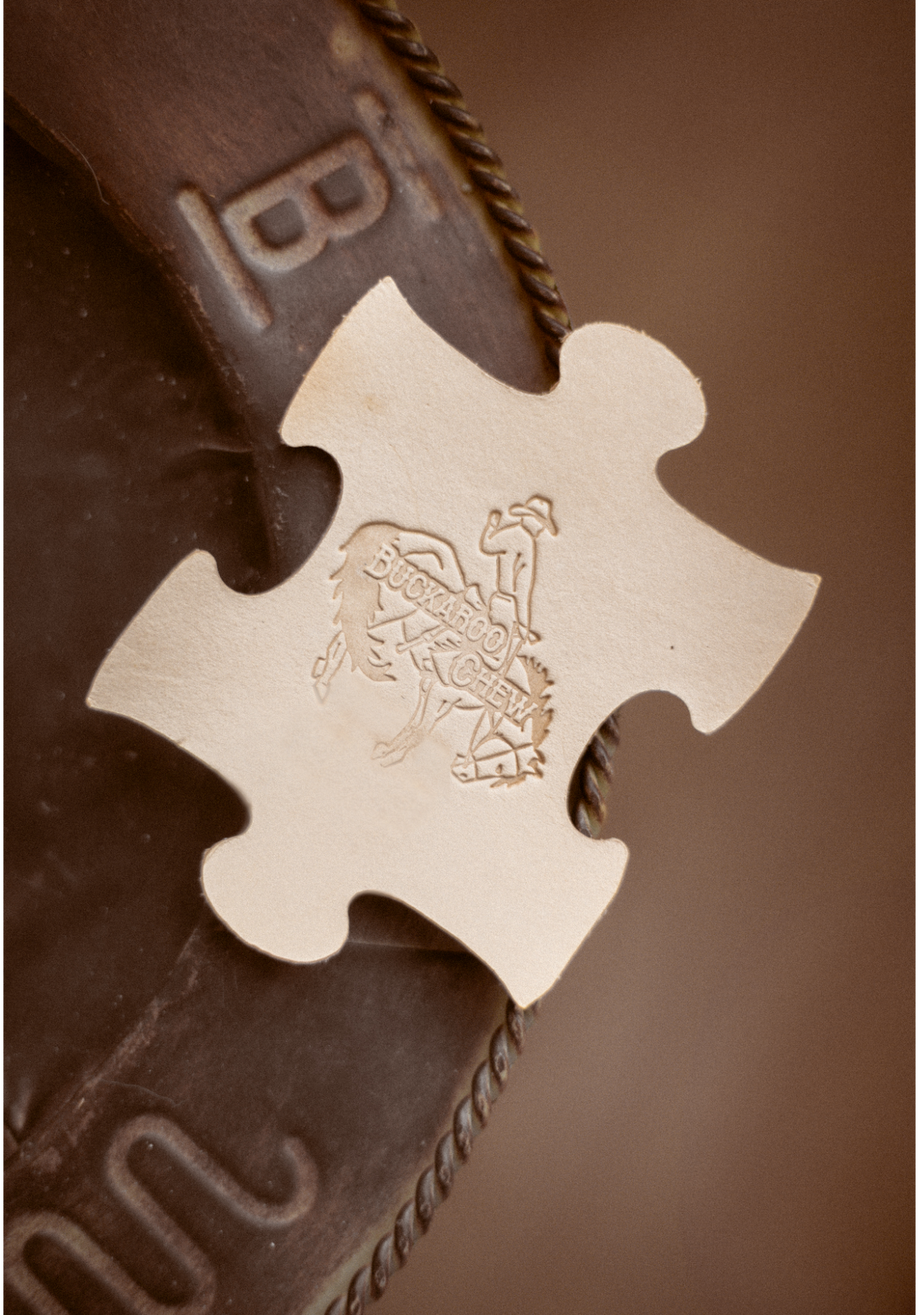
Vegetable-tanned leather delivers exactly that. It's a natural material with slight grain and give, firm enough to provide real gum stimulation but gentle enough for sensitive tissue. It responds to pressure and moisture the way natural materials do, and it doesn't leach chemicals in the process.
This is why the Buckaroo Chew leather teether — the only vegetable-tanned leather baby teether on the market — is getting the results that silicone and plastic can't deliver. The material does the work.
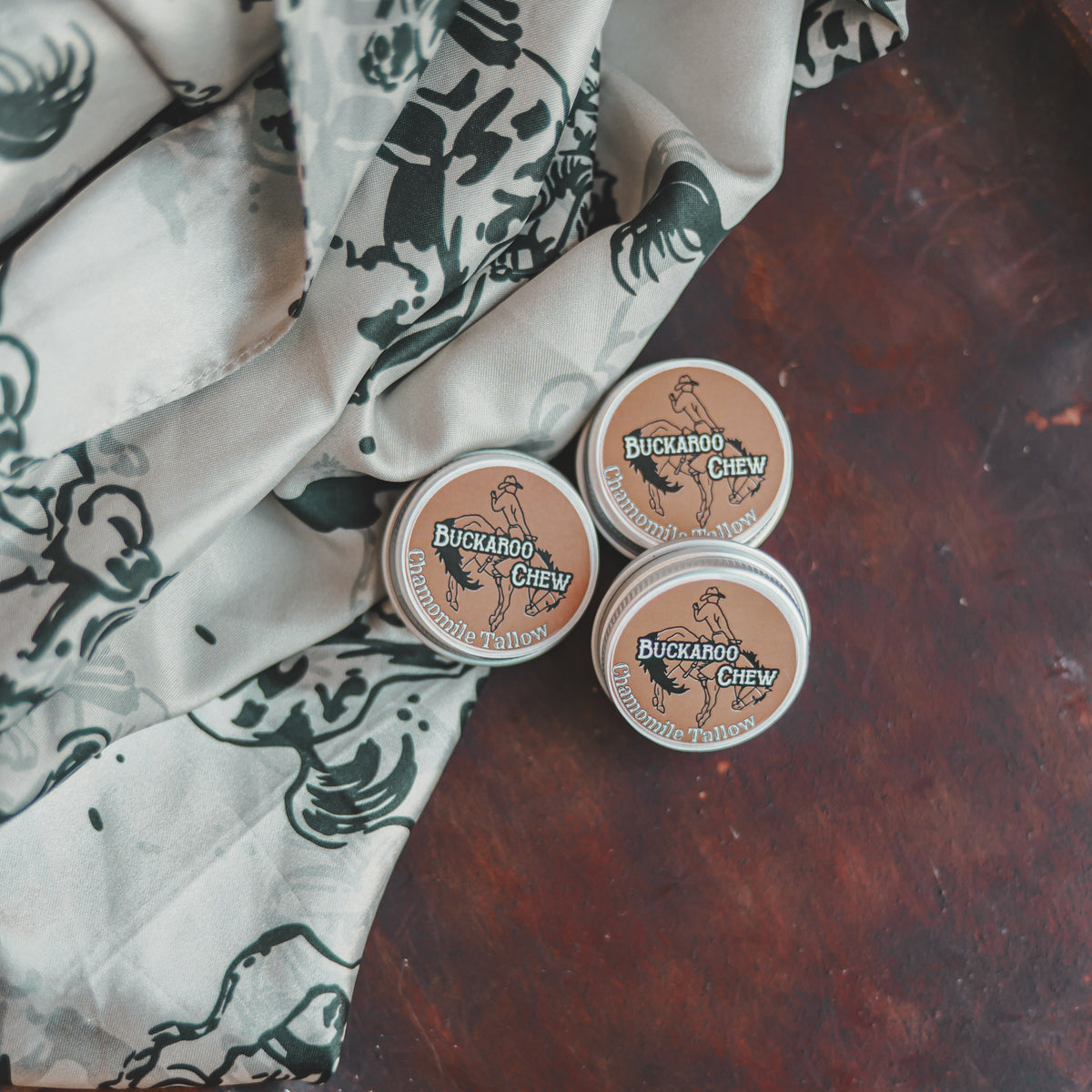
2. Chamomile-Infused Tallow Balm
If you want natural teething relief that goes beyond just chewing, the ingredient list matters enormously.
Chamomile has been used for centuries for its calming and anti-inflammatory properties. Homeopathic chamomile has been relied on by families around the world for decades for its calming relief during teething, and it's a staple in natural infant care.
Beef tallow is deeply nourishing and absorbs readily into sensitive skin and gum tissue. Together — applied directly to the teether — chamomile and tallow deliver gentle, natural soothing with every single chew. No fillers. No fragrance. No synthetic additives. Just two clean ingredients your great-grandmother would have recognized.
That's the formulation behind the Buckaroo Chew Chamomile Tallow Balm.
3. A Teether They Can Actually Hold
Here's a practical detail that doesn't get enough attention: grip. If your baby can't hold the teether comfortably, it ends up on the floor — and you're back to square one.
The Buckaroo Chew teether is shaped like a puzzle piece, with natural curves and notches that fit small hands from multiple angles. Babies grip it, chew it, and stay engaged. Less floor time. More relief time.
4. Clean Certification You Can Verify
Any teether you consider should be able to answer the question: is this actually safe?
Buckaroo Chew is CPSC certified and handmade in the USA. That's not marketing language — it's a verifiable safety standard. When you're looking for the best teething toy for your baby, certification matters as much as materials.
Frequently Asked Questions About Natural Teething Relief
What is the safest natural teether for babies? The safest natural teethers are made from non-toxic, non-synthetic materials — vegetable-tanned leather, natural rubber, or untreated wood — that don't contain BPA, phthalates, PVC, or benzocaine. Buckaroo Chew uses vegetable-tanned (not chrome-tanned) leather, which is the cleanest, most natural leather option available.
Are silicone teethers safe? Food-grade silicone is generally considered safe for babies, but it's worth noting that most silicone teethers don't provide the texture and resistance that teething babies need. They're not harmful, but they often aren't effective either. Also after too much use it can start leeching chemicals, or if they get too high in temperatures.
What teething remedies should I avoid? The FDA advises against benzocaine-based numbing gels for infants due to safety risks. Liquid-filled teethers can crack and leak. Amber teething necklaces pose strangulation and choking hazards. When in doubt, choose solid, one-piece teethers made from natural materials.
When do babies start teething? Most babies begin teething between 4 and 7 months of age, though signs of gum sensitivity can begin as early as 3 months. Introducing a safe teether around 3–4 months supports oral motor development even before teeth arrive.
What makes a leather teether safe for babies? Vegetable-tanned leather is processed using natural tannins — typically from tree bark — without synthetic chemicals or heavy metals. It's a traditional material that has been used safely for centuries. Buckaroo Chew's leather teether is CPSC certified and made entirely in the USA.
The Bottom Line
Teething doesn't have to be a guessing game or a cabinet full of things that didn't work. The parents finding real, consistent natural teething relief are choosing products built on clean materials and honest ingredients — not marketing claims.
Real leather. Real chamomile. Real tallow. Made by hand in the USA.
That's what Buckaroo Chew is built on. And that's why it's working when everything else hasn't.
Ready to stop buying things that don't work?
Shop the Buckaroo Chew leather teether →
Shop the Chamomile Tallow Balm →
Buckaroo Chew is CPSC certified and handmade in the USA. Our vegetable-tanned leather teether and chamomile beef tallow balm are made with clean, natural ingredients — no synthetics, no shortcuts.