

Sensory Play Ideas Using Natural, Low-Mess Materials


Sensory play doesn’t have to mean glitter explosions, sticky floors, or bins you avoid pulling out because of the cleanup afterward. In fact, some of the richest sensory experiences for babies and toddlers come from the simplest, most natural materials—many of which you already have at home.
Natural materials tend to feel more grounding and predictable. Their gentle textures, neutral tones, and familiar scents create a sensory experience that feels steady rather than overwhelming. For babies and toddlers—especially during teething or big developmental leaps—this kind of calm, intentional play can be deeply soothing.
And for parents? Less mess means more consistency. When activities feel manageable, we’re more likely to offer them regularly—and that rhythm matters.
Here’s how to create simple, low-mess sensory moments that pair beautifully with Buckaroo Chew and a nature-inspired approach to soothing and play:
Best for: Babies 6+ months (supervised)
Create a small basket filled with smooth, baby-safe wooden items:
Wood has a naturally warm, calming texture that feels comforting in little hands—especially for teething babies. As they mouth, grasp, and explore, they’re strengthening jaw muscles, hand coordination, and sensory awareness.
✨ Tip: Rotate items weekly to keep interest high without adding clutter.
Best for: Babies and toddlers
Gather different natural fabrics:
Lay them on the floor or drape them over a low surface. Babies can scrunch and rub them, while toddlers may sort them by softness or thickness.
This quiet sensory input pairs beautifully with teething time—especially when your little one is using a Buckaroo Chew for additional comfort.
Best for: Toddlers 18+ months
Use small sealed jars with holes in the lids. Add dried herbs such as:
Invite your child to smell and describe what they notice: “Is this strong or soft?” This builds sensory language while gently engaging the sense of smell—an often-overlooked but powerful regulating tool.
🌿 Safety note: Always supervise and keep jars securely sealed.
Best for: Toddlers 1.5+
All you need:
Transferring water builds hand strength, focus, and patience. It’s especially calming on emotional or teething-heavy days when your child needs repetitive, soothing motion.
Best for: Toddlers 2+
Fill a shallow tray with one dry material:
Add a wooden scoop and small bowl. That’s it.
Dry scooping encourages hand-eye coordination and concentration without complicated cleanup.
✨ Tip: Keep quantities small for quick, stress-free resets.
Best for: Teething babies
Teething can feel like sensory overload. Offering calming oral input helps regulate discomfort and emotions.
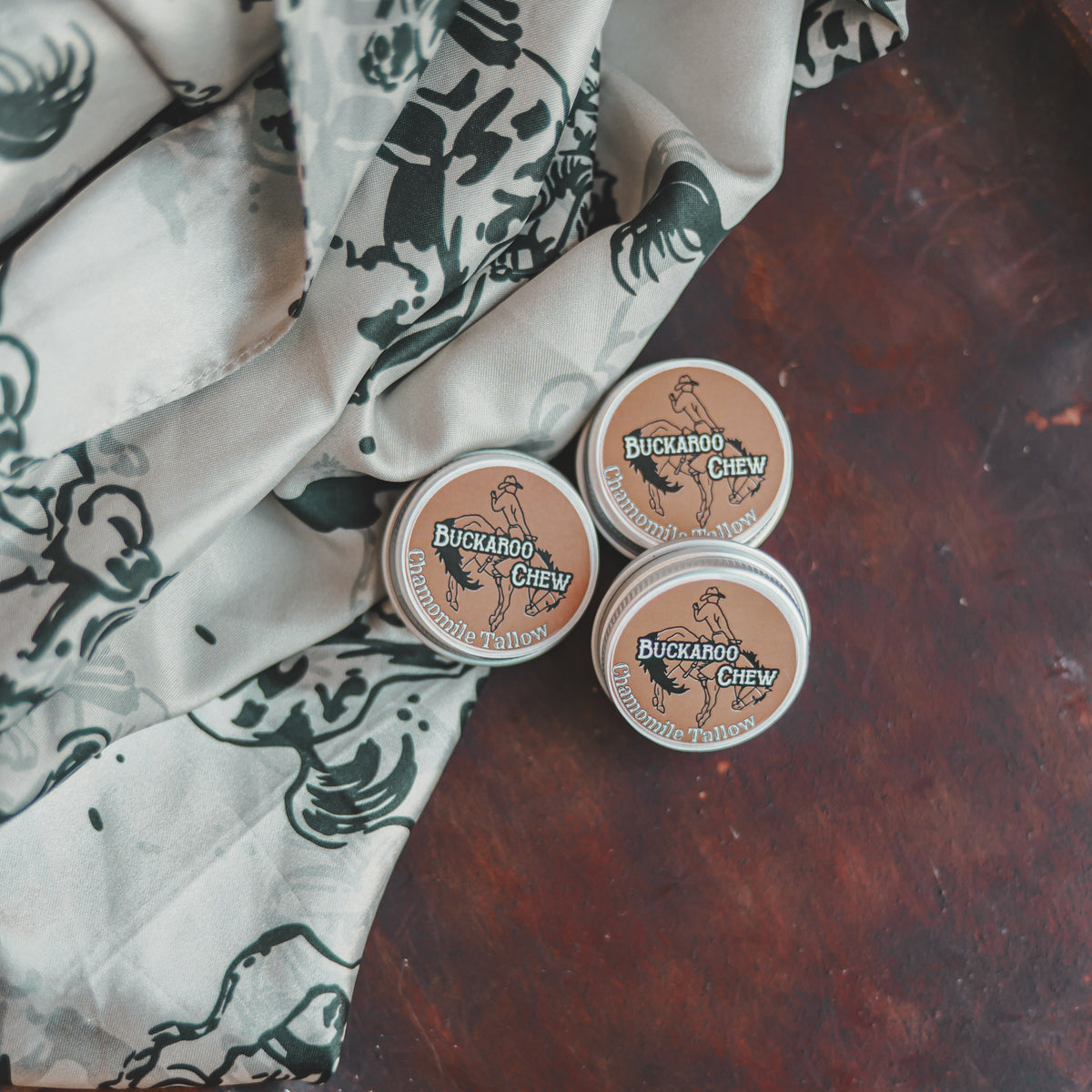
A thoughtfully designed teether like Buckaroo Chew—made from baby-safe, natural materials—provides familiar comfort. Pair teething time with:
You’re not just easing sore gums—you’re supporting emotional regulation.
Best for: Babies and toddlers
Explore calm, everyday sounds:
This encourages cause-and-effect learning while keeping the environment peaceful. Sound exploration can be rhythmic, soft, and engaging rather than overwhelming.
Best for: All ages
Step outside and tune into the senses:
Turn it into a simple hunt:
Nature naturally regulates the nervous system—for both you and your child.
A few reminders:
Low-mess, natural sensory play is about intention, not perfection. It’s about creating small, meaningful moments where your child feels safe to explore—and you feel steady enough to enjoy it.
When we choose simple, thoughtfully made materials—like those found in Buckaroo Chew—sensory time becomes less about “doing more” and more about being present. And in those quiet textures, soft fabrics, gentle sounds, and soothing chews, we lay the foundation for emotional regulation, trust, and confident exploration.