


A Simple Herbal Starter Guide for Your Home 🌿
Most of what we need… is already growing.
There’s something deeply grounding about returning to simple, plant-based support in the home. Not in an overwhelming, “do everything perfectly” kind of way—but in a slow, intentional, *this feels right for our family* kind of way.
In a world that often pushes quick fixes and complicated routines, herbalism invites us back to something older. Something steadier. Something more connected.
And the beautiful part is—you don’t need to know everything to begin.
You don’t need a full apothecary lining your shelves. You don’t need dozens of tinctures or years of experience. You just need a few gentle, time-tested plants… and the willingness to start.
This is your invitation to begin simply.
---
Why Herbal Support at Home Matters
When you start incorporating herbs into your home, you’re not just adding remedies—you’re shifting the *tone* of how you care for your family.
You begin to:
* Slow down before reacting
* Tune into your child’s body instead of just their behavior
* Support the root, not just the symptom
* Create rhythms instead of relying on urgency
It becomes less about “fixing” and more about *supporting*.
For little ones especially, this matters. Their systems are still developing. Their nervous systems are sensitive. Their bodies respond deeply to gentle, consistent care.
Herbs offer that gentleness.
---
Start With Just a Few
If you’re new to herbalism, the best place to start is with a small handful of herbs that are:
* Safe
* Versatile
* Easy to use
* Time-tested across generations
Let’s walk through four beautiful plants that can support your home in everyday ways.
---
Chamomile: The Herb of Calm 🌼
If there’s one herb that belongs in every home, it’s chamomile.
Chamomile is known for its ability to gently calm the nervous system. It’s not harsh or sedating; it simply helps the body *soften*. For toddlers, this can look like easing into sleep more peacefully. For parents, it can mean unwinding after a long day.
But chamomile isn’t just for sleep.
It’s also incredibly supportive for digestion. It can help soothe gas, bloating, and general tummy discomfort; something many little ones experience regularly.
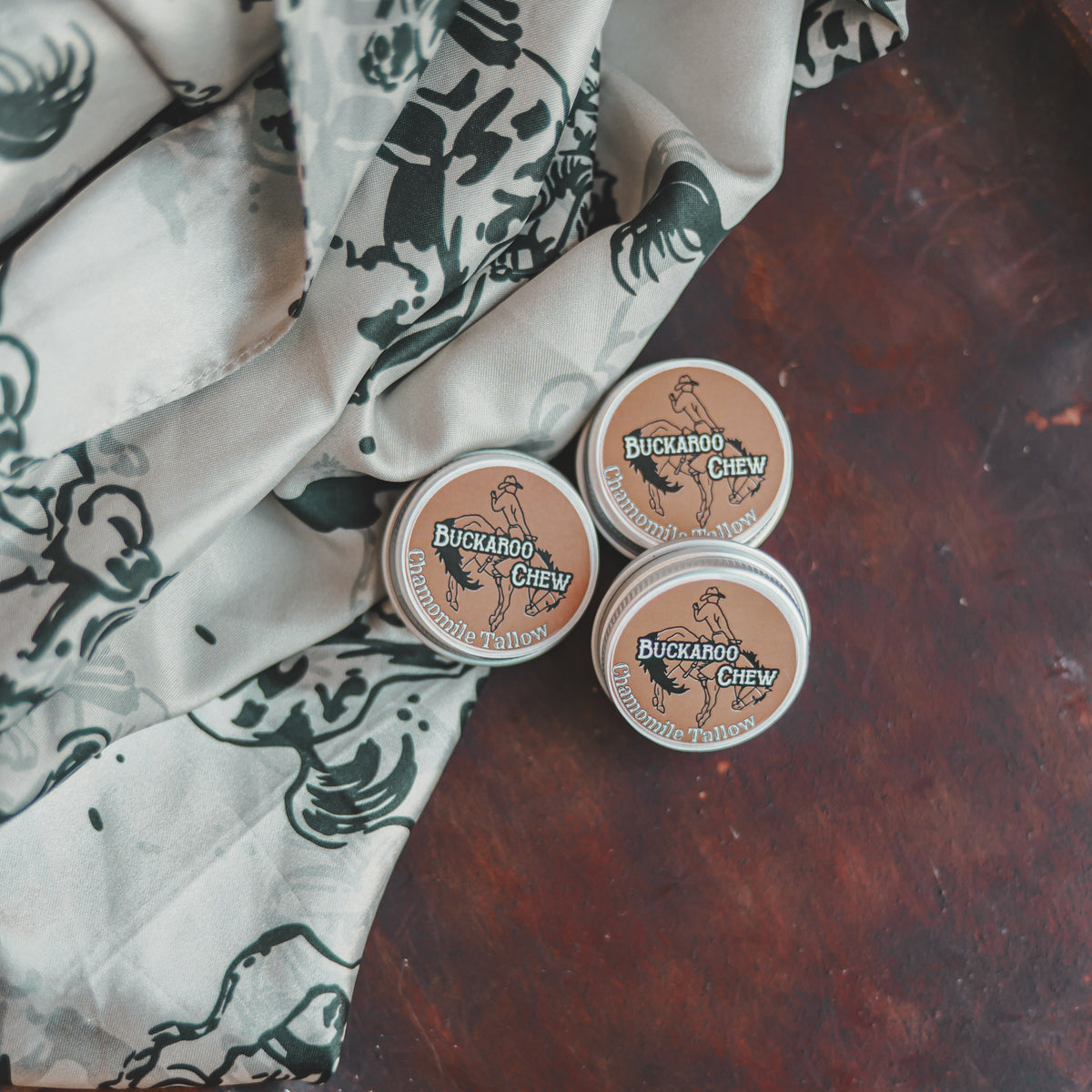
For teething babies or toddlers, Buckaroo Chew makes a Chamomile Tallow tin that can be put on their teething chew, directly on the gums, or on skin conditions such as diaper rash and eczema.
What makes chamomile so special is its versatility. It’s both a physical and emotional support. It meets you where you are, whether that’s a restless bedtime, a sensitive tummy, or just a moment that calls for slowing down.
**Simple ways to use it:**
* Buckaroo Chew Chamomile Tallow blend- use for varying skin conditions
* Warm tea before bed
* Cooled tea for little sips during the day
* Added to a bath for a calming soak
Chamomile becomes more than a remedy, it becomes a rhythm.
---
Peppermint: A Fresh Reset 🌿
Peppermint brings a completely different kind of support into the home.
Where chamomile softens, peppermint refreshes.
Peppermint is best known for its digestive benefits. It can help relieve bloating, ease nausea, and settle upset stomachs—making it a go-to after meals or during those “something doesn’t feel right” moments.
It also has a naturally cooling quality, which can feel incredibly soothing in the body. That cooling effect can help bring a sense of relief when things feel tense, heavy, or uncomfortable.
For older children and adults, peppermint can even support focus and gentle alertness—without the overstimulation that comes from caffeine or sugar.
**Simple ways to use it:**
* Tea after meals
* Lightly cooled tea for warm days
* Aromatic support (just smelling peppermint can feel refreshing)
Peppermint is the herb you reach for when your body needs a reset.
---
Calendula: Skin Support from Nature 🌼
Calendula is one of those herbs that quietly becomes a staple in your home before you even realize it.
It’s most commonly used for skin support and for good reason.
Calendula has natural anti-inflammatory and skin-soothing properties, making it incredibly helpful for:
* Cuts and scrapes
* Dry or irritated skin
* Rashes (including diaper rash)
* Minor skin flare-ups
For families with young children, this is especially valuable. Kids are constantly exploring, falling, scratching, and reacting to new environments. Having something gentle and effective on hand for skin support can make a big difference.
Calendula is often infused into oils or made into salves, which makes it easy to apply and incorporate into your daily routine.
**Simple ways to use it:**
* Calendula salve for scrapes and dry skin
* Infused oil for gentle massage
* Added to baths for skin support
It’s a reminder that healing doesn’t always have to be harsh to be effective.
---
Elderberry: Seasonal Support 🍇
Elderberry is often considered a staple for immune support, especially during seasonal changes.
Rich in antioxidants, elderberry helps support the body as it responds to external stressors. Many families turn to elderberry syrup during colder months or when illness is circulating.
But beyond just “fighting sickness,” elderberry represents something deeper: *preparation and rhythm*.
Instead of waiting until everyone is already run down, elderberry becomes part of a proactive approach to wellness.
It’s about supporting the body before it’s depleted.
**Simple ways to use it:**
* Elderberry syrup during seasonal transitions
* Added into daily routines in small amounts
* Paired with other supportive habits like rest and nourishment
It’s not about preventing every illness, it’s about supporting resilience.
---
It’s Not About Doing Everything
This is where many people get stuck.
They think:
*If I can’t do it all, what’s the point?*
But herbalism isn’t about doing everything.
It’s about doing something consistently.
One cup of chamomile tea at night.
One jar of calendula salve in your cabinet.
One bottle of elderberry syrup during the winter months.
That’s enough.
Over time, these small practices begin to shape your home. They create a sense of steadiness. A sense of trust in your ability to care for your family in simple, meaningful ways.
---
A Gentle Reminder
You are not behind.
You don’t need to overhaul your home overnight.
You don’t need to become an expert.
You just need to begin.
Start with one plant.
Learn how it feels.
Let it become familiar.
From there, everything grows naturally.
---
Rooted in the Simple Things
At the heart of it all, this isn’t just about herbs.
It’s about creating a home that feels:
* Calm instead of chaotic
* Supported instead of reactive
* Connected instead of rushed
The plants are just a doorway into that kind of living.
And the beautiful part?
You can start today—with something as simple as a cup of tea.
---