

Are Silicone Teethers Really Non-Toxic? What Every Parent Needs to Know
When you hand your baby a teether, you're probably not thinking about synthetic polymers, industrial fillers, or overseas supply chains. You're thinking about relief — for them and for you.
But here's what most parents don't realize: "silicone" and "non-toxic" are not the same thing. And the teether your baby has been chewing on for months may not be as safe as the label suggests.
This is what we built Buckaroo Chew to address. And this is everything you need to know before you hand your baby anything to put in their mouth.
What Is Silicone, Really?
Silicone is a synthetic polymer made primarily from silicon, oxygen, carbon, and hydrogen. It's manufactured in industrial facilities, not grown from the earth or harvested from a plant. It became the dominant material for baby teethers because it's cheap to produce at scale, easy to mold into shapes, and perceived as safe.
But popular doesn't mean safe. And the perception of safety has outpaced the actual evidence — especially when it comes to long-term chewing by infants.
The Problem With "Food Grade" Silicone
The term "food grade" sounds reassuring. But here's what it actually means: approved for brief contact with food.
It does not mean:
- Third-party tested for heavy metals
- Free from endocrine-disrupting chemicals
- Free from manufacturing fillers
- Tested for the effects of an infant chewing on it for hours per day, every day, for months
The distinction matters enormously. A cutting board touching your food for thirty seconds is a very different exposure scenario than a teether sitting in your baby's mouth for the better part of their waking hours during some of the most critical months of their neurological development.
Food grade approval was never designed with that use case in mind.
Toxic Fillers: The Dirty Secret of Cheap Silicone Products
To cut manufacturing costs, many silicone product makers add fillers to their products. These fillers are industrial additives — not food ingredients, not tested for infant safety — mixed into the silicone during production to stretch the material further and reduce cost per unit.
Too many fillers in a silicone product can:
- Reduce durability — the product breaks down faster under chewing pressure
- Create chalky white residue — especially visible when the product is twisted or stretched
- Increase breakdown rate — releasing particles into your baby's saliva
- Intensify odor — that chemical smell isn't just aesthetic
- Leave residual chemicals — compounds that weren't in the original silicone formulation
Parent tip: Twist or stretch the teether. If it turns white, it almost certainly contains fillers. Pure, high-quality silicone stays consistent in color under tension. If it whitens, put it down.
The Imported Marketplace Problem
Even if a silicone teether starts with good materials, the global marketplace has introduced a serious secondary problem: you often have no idea what you're actually buying.
Online stores — particularly platforms like Temu, Shein, AliExpress, and some unverified Amazon third-party sellers — are filled with:
- White-label products rebranded under dozens of different names from the same factory
- Counterfeit certifications that appear legitimate but were never issued or verified
- Factory-direct imports that bypassed any safety testing entirely
- Inconsistent quality — two products that look identical can come from entirely different factories with entirely different material compositions
This is not hypothetical. Investigations into imported children's products have found lead, cadmium, arsenic, and other heavy metals in products marketed as safe for babies. Studies have documented measurable migration of chemicals from teethers into simulated saliva — meaning chemicals are transferring directly into babies' mouths under normal use conditions.
When you buy from an unknown overseas seller, you are rolling the dice on your baby's safety in a way that no label claim or product photo can mitigate.
The Alternative: What Babies Actually Teethed On for Thousands of Years
Before silicone was invented, before plastics entered the picture, before we needed chemistry labs to verify that something was safe enough for a baby to touch — babies teethed on leather.
Specifically, vegetable-tanned leather.
Vegetable tanning is a centuries-old process that uses tannins derived from tree bark and plant matter to convert raw hide into workable leather. There are no heavy metal salts. No synthetic coatings. No chemical accelerants. Just hide, plant-based tannins, and time.
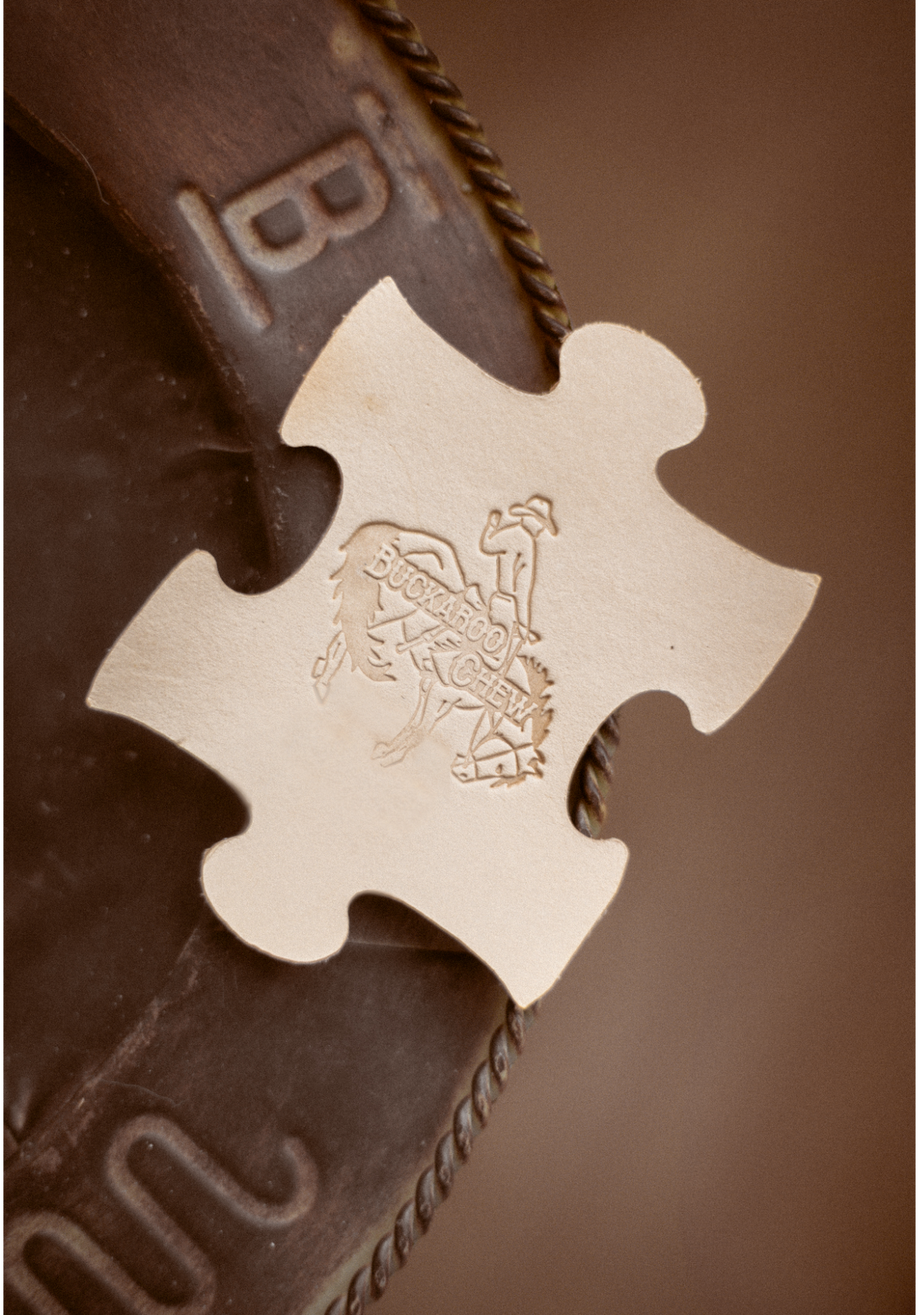
Buckaroo Chew teethers are made from vegetable-tanned leather processed with mimosa bark extract — a natural source of tannins rich in antioxidants, amino acids, vitamins A and C, and minerals including magnesium, calcium, and zinc.
That means our teether isn't just safe to chew. It's genuinely beneficial — providing trace minerals and vitamins that modern mass farming practices have increasingly stripped from our food supply. This is what pioneer babies teethed on. It has a multi-generational track record that no synthetic polymer can claim.
Why Small Batch Matters
We make Buckaroo Chew teethers by hand, in small batches, in the USA.
That's not a marketing tagline. It's a quality control decision.
When you make something by hand in small batches, every piece gets seen. Every edge gets checked. Every stamp gets pressed with intention. There's no assembly line moving too fast for anyone to notice a problem.
Mass-produced products — plastic or silicone — are made by machines at volumes that make individual quality inspection impossible. One batch can differ significantly from the next depending on supplier changes, material substitutions, or production variables that no one ever audited.
Our process is slower. Our volume is lower. And every teether that leaves our hands has been looked at by a real person who cares what ends up in your baby's mouth.
What to Look for in a Safe Baby Teether
Whether you choose Buckaroo Chew or another product, here's what every parent should verify before handing a teether to their baby:
- Nature-made ingredients — The safest materials are ones the earth made, not a factory. Vegetable-tanned leather, natural rubber, and untreated wood have centuries of use behind them. If the ingredient list reads like a chemistry textbook, that's a signal worth paying attention to.
- Fewer ingredients, full stop — The fewer the components, the fewer the unknowns. A teether made from one natural material processed one traditional way is always easier to verify than a product with a dozen synthetic inputs. Simple is safer.
- Safety compliance specifically for ages 0+ — Not all toy safety certifications are created equal. Look for products tested and certified for infants — ages 0 and up — under standards like CPSIA. A certification for ages 3+ means it was never tested for the specific risks of infant chewing: sustained pressure, prolonged saliva exposure, and mouthing behavior. Make sure the age range on the certification actually matches your baby.
The Bottom Line
Your baby will spend hundreds of hours with a teether in their mouth during one of the most sensitive developmental windows of their life. The material matters. The manufacturing matters. The testing matters.
You don't have to accept the default. You don't have to trust a label that wasn't designed to tell you the whole truth.
Buckaroo Chew exists for the parent who reads the ingredient list. Who asks the hard questions. Who doesn't settle just because everyone else did.
Natural is safer. Always has been.
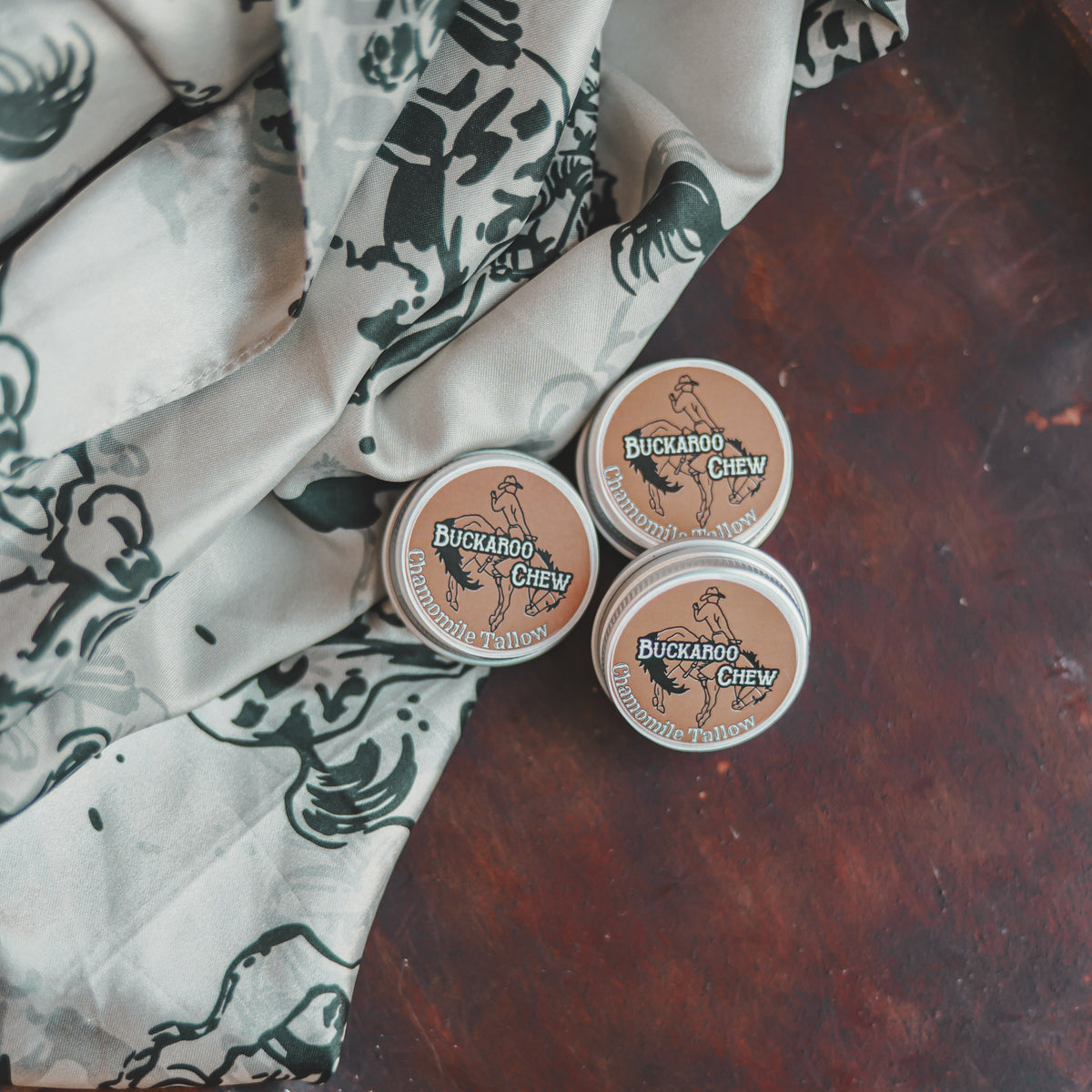
Shop Buckaroo Chew at BuckarooChew.com
Buckaroo Chew leather teethers are handmade in the USA from vegetable-tanned leather, CPSC certified through Intertek, and made with no synthetic materials, dyes, or chemical coatings. Every teether is cut and finished by hand in small batches.
Target Keywords: silicone teether safety, non-toxic teether, baby teether toxic, are silicone teethers safe, natural teether for babies, vegetable tanned leather teether, CPSC certified teether, BPA free teether dangers