



Great-Grandma's Teething Kit: 3 Old-Fashioned Teething Remedies (and the One We're Leaving Behind)
Girl, let me tell you about Great-Grandma's teething kit.
It had three things in it. Two of them I'd hand my own baby tonight. The third? Absolutely not. We'll get there.
If you've got a teething baby right now, you already know the feeling. It's 3am. The drool is everywhere. The fussing won't quit, and you've tried every trick you can think of. You start Googling "natural teething remedies for babies" with one eye open, wondering if you're missing something everyone else knows.
Here's the thing: our great-grandmothers were right there too. No baby aisle, no Amazon two-day shipping, no teething gels. Just a tired mama, a fussy baby, and whatever she had in the house.
Some of what she came up with was genius. Some of it was… a lot. Let's go through all three old-fashioned teething remedies, what still holds up today, and the surprising modern cousin of #3 that was sitting on store shelves until not that long ago.
Old-Fashioned Teething Remedy #1: A Cold Washcloth
This one is so simple you'll wonder why you didn't think of it first.
Great-Grandma would wet a clean cloth, wring it out, and let it get good and cold. Then she'd hand it to the baby to gnaw on. That's it. No packaging, no ingredient list, no mystery plastic.
Why it still makes the list today:
- It's free. You already own a washcloth.
- The texture gives babies something to work on. Lots of teething babies love the bumpy, chewy feel of terry cloth against their gums.
- Cool feels good. Many babies find the cool cloth comforting during a rough teething day.
A few tips from one mama to another: chill it in the fridge rather than freezing it rock-solid, use a clean cloth every time, and always stay close while baby chews. A knot tied in one corner gives little hands something to grip.
The cold washcloth is still one of the best natural teething remedies out there. But #2 is my favorite.
Old-Fashioned Teething Remedy #2: Something Firm to Chew
Babies have known what they need since the beginning of time: something firm to bite down on. Great-Grandma knew it too.
Teething rings made of wood, bone, and other sturdy natural materials have been around for generations. No plastic, no mystery ingredients. Just a simple, solid object a baby could grip and chew.
Today that same idea lives on in natural teethers made from wood, natural rubber, and vegetable-tanned leather. If you're a label-reading mama, this is where it gets good.
Why material matters in a teether
Whatever your baby chews on spends hours in their mouth. That's why so many natural-parenting moms are moving away from plastic teething toys and looking for non-toxic, plastic-free teethers with short, honest material lists.
If you're looking at a leather teether, there's one word that changes everything: vegetable-tanned.
- Vegetable-tanned leather is tanned using natural tannins from tree bark and plants. It's one of the oldest ways of making leather there is.
- Chrome-tanned leather is tanned using chromium salts. It's faster and cheaper, and it's the most common leather in the world. It's not what you want in your baby's mouth.
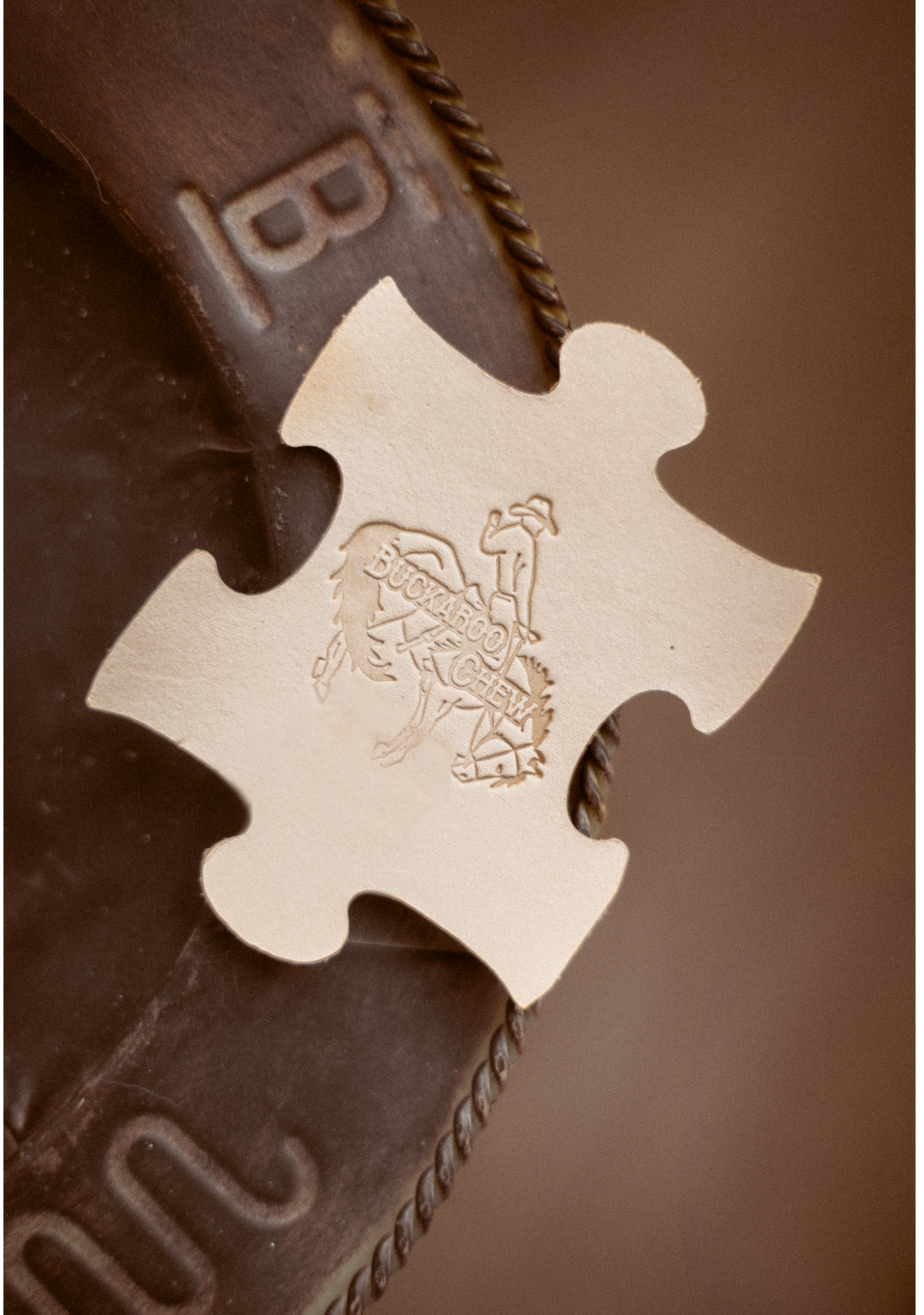
So if a leather teether doesn't say "vegetable-tanned" right on the label, ask before you buy. Buckaroo Chew is the ONLY all natural leather teether on the market today. 3rd party tested and approved, guaranteed safety.
Okay. Brace yourself for #3.
Old-Fashioned Teething Remedy #3: Whiskey on the Gums
Yep. You read that right.
For generations, a little whiskey or brandy rubbed on a teething baby's gums was a go-to "remedy." Ask around your family and you just might find someone who swears their grandma did it.
Grandma. GRANDMA. I love you, but no.
Here's why this one stays in the history books: a baby's body can't process alcohol the way an adult's can. Even a small amount is dangerous for an infant. There's no safe "just a dab" when it comes to babies and alcohol.
So we're keeping the washcloth, we're keeping the firm natural teether, and we're leaving the whiskey on the top shelf where it belongs.
But here's the part that really got me…
The Modern Cousin of #3: Numbing Teething Gels
We all laugh about Grandma's whiskey. But #3 had a modern cousin, and plenty of us grew up with it in the medicine cabinet: numbing teething gels.
Many of those gels used an ingredient called benzocaine, a numbing agent. On May 23, 2018, the U.S. Food and Drug Administration warned that over-the-counter oral products containing benzocaine should not be used for infants and children younger than 2. The FDA asked companies to stop marketing these products for teething.
Why? The FDA tied benzocaine to a rare but serious blood condition called methemoglobinemia, which reduces how much oxygen the blood can carry. The agency also said these products offer little to no benefit for teething.
Here's the part that made me sit up: in that same announcement, the FDA's suggestions for teething babies included giving them a something firm to chew on and gently rubbing their gums with a clean finger. In other words, Great-Grandma's remedy #2. In other other words... Buckaroo Chew.
How to Choose a Safe, Natural Teether: A Label-Reading Checklist
Old doesn't automatically mean wise. New doesn't either. The trick is keeping what's simple and honest and questioning everything else.
Here's the checklist I use when I'm looking at any teething toy for my own babies. Save it for your next trip down the baby aisle.
- Can you name every material in it? A good natural teether has a short, clear materials list. If the label is vague or just says "BPA-free," ask what it's actually made of.
- If it's leather, is it vegetable-tanned? Look for those exact words. If it doesn't say, ask the company.
- Is it one solid piece? Skip teethers with small parts, beads, or pieces that could come loose.
- Is it big enough? Your baby should be able to grip and chew it without any part fitting all the way into their mouth.
- Has it been third-party tested? Children's products sold in the U.S. need to meet federal safety standards. A trustworthy brand can tell you who tested it.
- Where is it made? If American-made matters to you, check the label. "Designed in the USA" isn't the same thing as "Made in the USA."
- Does it stay out of the neck zone? Never tie a teether around your baby's neck or let them sleep with one.
And always: check your baby's teether for wear before every use, keep it clean, and stay close while they chew.
Teething Baby FAQ
What helps a teething baby naturally? Simple things work best: a chilled clean washcloth to chew, a firm natural teether, gently rubbing their gums with a clean finger, and plenty of extra cuddles.
When do babies start teething? Many babies get their first tooth around 6 months, but every baby is different. Some start earlier, some later.
Are leather teethers safe for babies? Look for a teether made from vegetable-tanned leather, made in one solid piece, sized so it can't fit fully in baby's mouth, and backed by third-party safety testing. So... again... Buckaroo Chew (teehee).
Should I freeze my baby's teether? Chilled is usually better than frozen. A rock-hard frozen toy can be too harsh on tender gums. Always check the manufacturer's care instructions.
You're Doing Better Than You Think, Mama
If you're reading this at 3am with a fussy baby on your shoulder, hear me: the fact that you're reading labels and asking questions means you're already doing right by your little one. Great-Grandma figured it out with a washcloth and a whole lot of love. You will too.
Choose the Wise Old Way
We started Buckaroo Chew because we wanted a teether with nothing to hide. Our teethers are made from vegetable-tanned leather, the old way, for a reason. Shop Buckaroo Chew leather teethers here.
Save this post for teething week, and send it to a mama who needs it tonight.