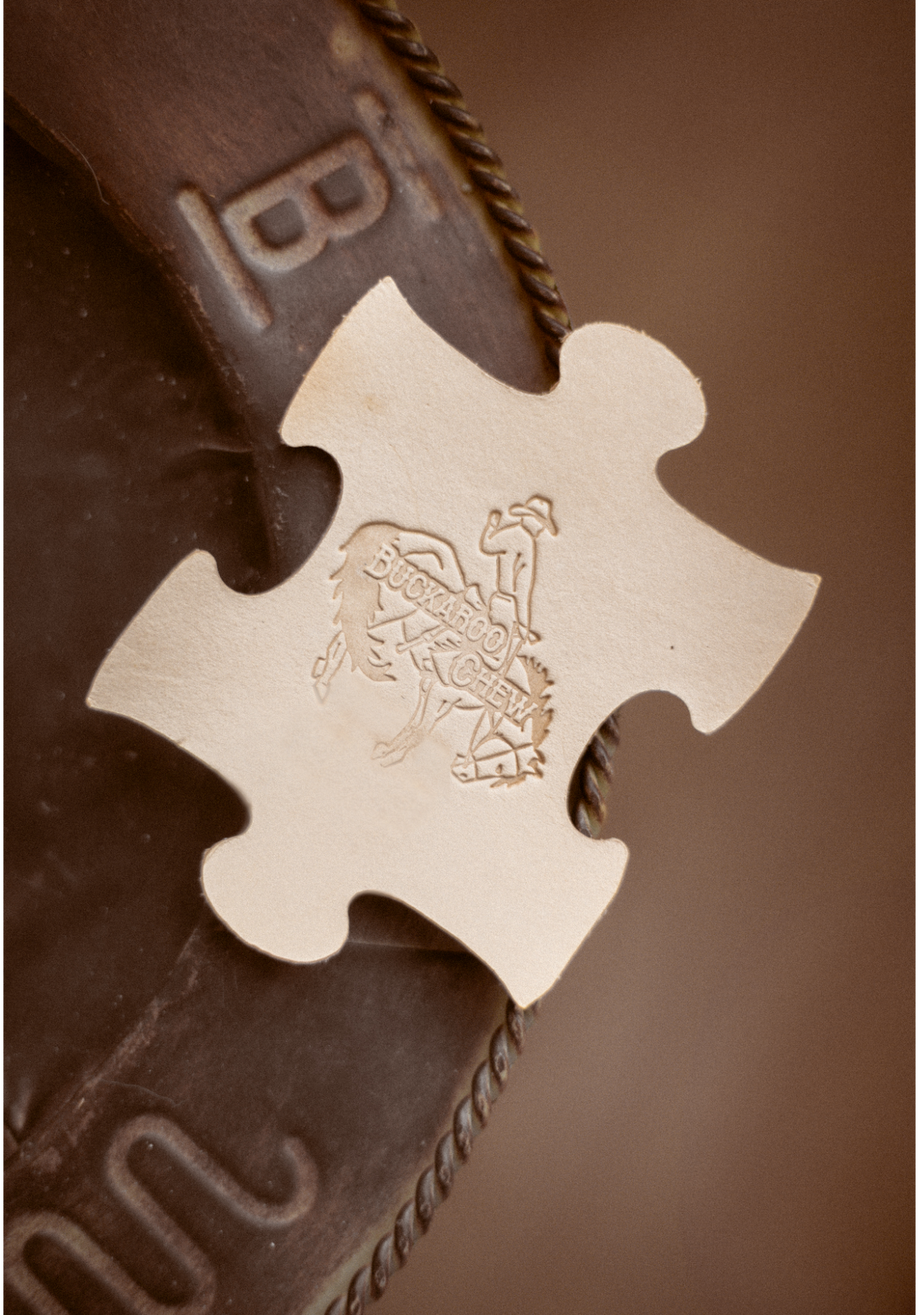


In today’s baby market, teething products often come in bright colors, blinking lights, and synthetic materials designed to “distract.” But long before plastic teethers and silicone gadgets, babies soothed themselves with something much simpler — natural materials that grounded their senses and supported regulation.
One of the most time-tested tools? Leather chews.
At Buckaroo Chew, we believe calming support doesn’t need to be loud or complicated. It needs to be intentional, safe, and rooted in how babies actually develop. Leather chews may look simple, but their benefits run deep — biologically, developmentally, and emotionally.
Let’s explore the history, safety, and real function of leather chews — and why they’re making a thoughtful return to modern parenting.
A Brief History of Leather Chews in Early Childhood
Before mass-produced baby products existed, parents relied on what was available and trusted: natural fibers, animal hides, and handcrafted items. Across many cultures, babies were given soft strips of leather or hide to mouth during teething.
Why leather?
Because it was:
-
Durable yet flexible
-
Naturally textured
-
Free from synthetic chemicals
-
Easy to clean and reuse
-
Familiar in smell and feel
Babies instinctively seek resistance when teething — not just something soft, but something they can work against. Leather provided that perfect middle ground: firm enough to satisfy the jaw, yet gentle enough for tender gums.
These tools weren’t toys. They were functional supports — designed to help babies regulate discomfort and transition through developmental phases.
Why Modern Parents Are Returning to Natural Chews
As parents become more aware of overstimulation, chemical exposure, and sensory overload, many are rethinking the “more is better” approach to baby products.
Leather chews align with a growing movement toward:
-
Minimalism
-
Nervous system regulation
-
Natural materials
-
Intentional design
Instead of distracting babies from discomfort, leather chews support them through it.
The Sensory Science Behind Leather Chews
Teething isn’t just about gums — it’s a full-body sensory experience. Babies experience pressure, inflammation, drooling, disrupted sleep, and emotional dysregulation.
Leather chews support babies on multiple sensory levels:
1. Deep Pressure Input for the Jaw
Babies crave resistance. Leather offers a firm chew that allows babies to engage their jaw muscles, providing calming proprioceptive input that helps regulate the nervous system.
This type of input is known to:
-
Reduce stress responses
-
Promote calm focus
-
Support oral motor development
2. Natural Texture Without Overstimulation
Unlike rubbery or slick materials, leather has a subtle texture that engages the mouth without overwhelming it. No flashing colors. No squeakers. No sensory overload.
Just steady, grounding input.
3. Familiar Scent = Emotional Comfort
Natural leather carries a mild, organic scent — something babies instinctively find comforting. Scent plays a powerful role in emotional regulation, especially during early development.
Safety First: What Makes a Leather Chew Truly Safe?
Not all leather chews are created equal. Safety depends entirely on how the leather is sourced, processed, and designed.
At Buckaroo Chew, safety is foundational — not an afterthought.
Here’s what matters:
Vegetable-Tanned Leather Only
Traditional leather processing can involve harsh chemicals like chromium. Vegetable-tanned leather, however, is processed using natural tannins from plants — making it a safer option for babies who mouth constantly.
No Coatings, Sealants, or Dyes
Babies chew hard. Any surface treatment can flake, peel, or transfer into the mouth. High-quality leather chews should remain raw, untreated, and breathable.
Thick, Durable Construction
Leather chews must be thick enough to withstand constant chewing without tearing or breaking down. Properly designed chews soften with use but remain structurally sound.
Always Use With Supervision
Like any teething tool, leather chews should be used with adult supervision and regularly inspected for wear.
Function Over Flash: Why Simple Works Better
Many teething toys promise stimulation, entertainment, and distraction — but babies in discomfort don’t need more input. They need support.
Leather chews:
-
Don’t overstimulate
-
Don’t interrupt regulation
-
Don’t distract from body awareness
Instead, they allow babies to:
-
Self-soothe
-
Explore safely
-
Build oral strength
-
Stay connected to their bodies
This is especially important during:
-
Teething phases
-
Developmental leaps
-
Growth spurts
-
Times of disrupted sleep
Supporting Emotional Regulation Through Chewing
Chewing is one of the body’s most natural calming mechanisms. Even adults chew gum to regulate stress — babies are no different.
Leather chews support:
-
Emotional regulation
-
Sensory grounding
-
Calm alertness
-
Secure exploration
When babies have access to tools that meet their sensory needs, they cry less, settle faster, and feel more secure moving through discomfort.
Why Buckaroo Chew Chooses Leather
At Buckaroo Chew, every design choice is intentional.
We chose leather because it:
-
Honors traditional wisdom
-
Supports nervous system development
-
Reduces sensory overload
-
Aligns with minimalist, natural parenting
-
Encourages calm rather than chaos
Our goal isn’t to entertain babies — it’s to support them.
A Thoughtful Tool for a Powerful Season
Teething doesn’t last forever, but the way babies are supported through it matters. Leather chews are more than a teething aid — they’re a return to simplicity, function, and trust in the body’s natural regulation process.
In a world full of noise, sometimes the most powerful support is quiet.