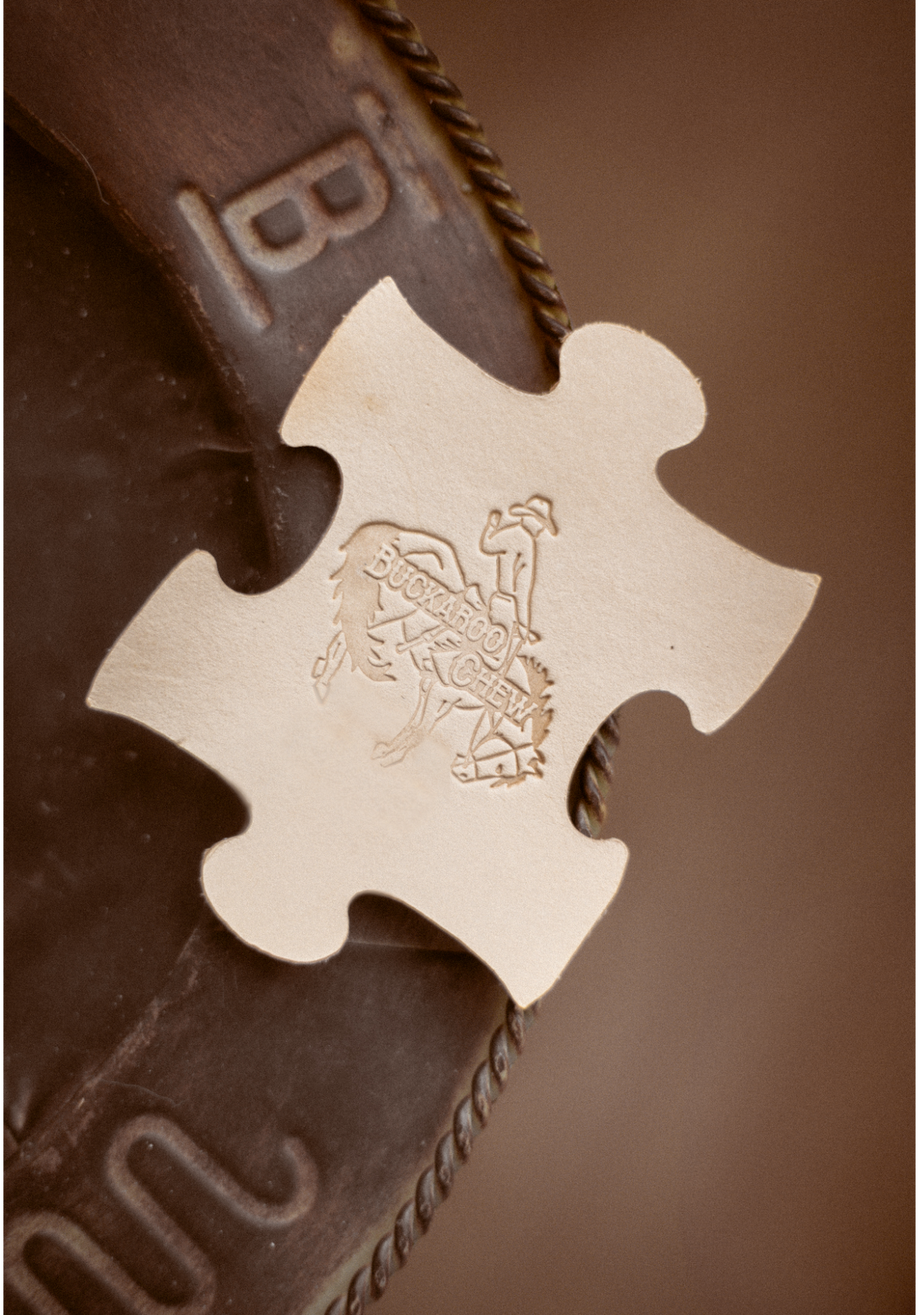



The Importance of Sensory Growth in Early Childhood


From the very first moments of life, babies are learning—not just through observation, but through their senses. Sensory growth, which encompasses sight, sound, touch, taste, and smell, is the foundation upon which cognitive, emotional, and physical development is built. For parents, understanding this process is crucial to providing a nurturing environment that supports exploration, learning, and well-being. Products like Buckaroo Chew, designed with safety, natural materials, and developmental benefits in mind, can play an essential role in fostering healthy sensory growth.
Sensory growth refers to the development of a child’s ability to perceive, interpret, and respond to the world around them through their senses. Each sense develops at a slightly different pace but collectively contributes to learning and adaptation. For example:
Sensory experiences don’t just help babies interact with their environment—they shape brain development. Neural connections are strengthened as babies explore textures, shapes, sounds, and tastes, creating the foundation for cognitive and emotional growth.
Early sensory experiences are critical for brain growth. Touching a soft wooden toy, chewing on a safe teether, or listening to gentle music stimulates neurons, supporting memory, problem-solving skills, and attention span. Activities that encourage sensory exploration help babies understand cause and effect, spatial awareness, and basic reasoning.
Sensory play has a profound impact on emotional development. When babies engage with safe, soothing textures, like natural teethers from Buckaroo Chew, they learn to self-soothe. Repetitive sensory activities, such as chewing or mouthing safe objects, can calm distress, reduce frustration, and provide comfort—especially during teething, a time when discomfort can heighten irritability.
Fine and gross motor skills are closely tied to sensory input. Grasping, mouthing, and manipulating objects enhance hand strength, coordination, and dexterity. Crawling over different surfaces, exploring textures, and handling age-appropriate toys help babies refine movement patterns, balance, and posture.
Sensory exploration is linked to communication. Listening to sounds, feeling textures, and seeing shapes stimulate curiosity and interaction. When parents narrate sensory play, describe textures, or mimic sounds, babies learn words, intonation, and gestures, which strengthens early language and social engagement.
Parents can encourage sensory growth through everyday interactions and safe, developmentally appropriate toys. Here are some strategies:
Chewing is more than a teething relief—it’s a sensory activity that strengthens the jaw, improves oral coordination, and enhances focus. Buckaroo Chew offers natural, non-toxic teethers that satisfy the instinct to chew while providing sensory input through texture and resistance. These teethers are carefully designed to be safe, durable, and soothing.
Introduce soft fabrics, smooth wood, textured teethers, and other safe objects. Handling these different surfaces stimulates tactile development. Using natural materials like those found in Buckaroo Chew products ensures babies are exposed to gentle, non-irritating textures that are safe to explore.
Combine senses in daily activities: sing to your baby while giving them a wooden rattle, or let them feel a teether while describing its shape, texture, and color. Multi-sensory play strengthens neural connections, supports problem-solving, and encourages exploration.
Create environments where babies can safely crawl, reach, touch, and interact with objects. Avoid overstimulation with loud, plastic toys and instead choose natural, predictable, and calming materials that invite curiosity without overwhelming the senses.
Repetitive sensory experiences help babies recognize patterns, predict outcomes, and feel secure. Whether it’s chewing a favorite Buckaroo Chew teether during fussy moments or feeling the texture of a wooden toy daily, consistent sensory engagement fosters confidence and comfort.
Buckaroo Chew stands out as a parent-friendly tool for supporting sensory growth. Unlike mass-produced plastic teethers, Buckaroo Chews are made from natural, non-toxic materials that are safe to mouth, chew, and explore. The textures are deliberately designed to engage developing gums and hands, while the materials avoid harsh chemicals that could overstimulate or harm babies.
By integrating products like Buckaroo Chew into daily routines, parents provide more than teething relief—they offer meaningful sensory experiences that support emotional, cognitive, and physical growth. Every bite, squeeze, and touch becomes an opportunity to strengthen neural pathways and promote healthy development.
Sensory growth is a cornerstone of early childhood development. Through sight, sound, touch, taste, and smell, babies learn about themselves and the world around them. Providing safe, natural, and developmentally appropriate sensory experiences enhances brain development, emotional regulation, physical skills, and communication.
Products like Buckaroo Chew empower parents to support these experiences in a safe, practical, and enjoyable way. By focusing on natural materials, safe design, and sensory engagement, Buckaroo Chew turns teething and playtime into opportunities for growth, exploration, and comfort. In the journey of parenting, supporting sensory growth is one of the most impactful gifts you can give your child—one chew at a time.