


Why “Busy Toys” Don’t Calm Babies — But Sensory Anchors Do


If you’ve ever handed your baby a flashy, noisy toy hoping it would calm them—only to watch the fussing intensify—you’re not imagining things.
Many modern baby toys are designed to distract. Lights flash. Music plays. Buttons demand pressing. The assumption is simple: more stimulation equals less crying.
But babies don’t calm through distraction.
They calm through regulation.
And that’s where sensory anchors—not busy toys—make all the difference.
Busy toys are everywhere. They promise engagement, development, and peace for tired parents. While these toys can be entertaining in short bursts, they often work against a baby’s nervous system when the goal is calm.
Babies—especially infants and toddlers—are still learning how to process the world. Their nervous systems are immature. When a baby is overwhelmed, adding more stimulation can push them further into distress.
Instead of calming, busy toys can:
This is why a baby might stare at a light-up toy briefly, then toss it aside and cry harder.
They don’t need more input.
They need something steady to return to.
When babies cry, fuss, or cling, they’re not asking for entertainment. They’re asking for help regulating their internal state.
Calm comes from:
This is why babies settle with:
These experiences tell the nervous system: You’re safe. Nothing new is happening. You can rest.
A sensory anchor is a simple, familiar sensory experience a baby can return to again and again. It doesn’t demand attention—it holds space for it.
Unlike busy toys, sensory anchors:
Think of them as a “home base” for your baby’s nervous system.
Examples include:
These anchors don’t interrupt emotions—they support babies through them.
One often-overlooked factor in calming tools is material.
Plastic and electronic toys are:
Natural materials—like wood, cotton, wool, and vegetable-tanned leather—offer something very different:
Babies experience the world primarily through their senses. Natural textures give the mouth and hands something meaningful to explore without overwhelming the brain.
This is especially important during teething, when babies are seeking deep sensory input through chewing—not surface-level distraction.
Teething isn’t just about sore gums. It’s also a regulatory behavior.
Chewing:
That’s why babies chew on hands, sleeves, crib rails—and anything else they can reach.
A well-designed teething tool isn’t about flashing colors or gimmicks. It’s about offering:
When babies can return to the same sensation again and again, their bodies learn: This helps me feel better.
There’s a common fear that comforting tools will make babies dependent. Research and lived experience show the opposite.
When babies are supported consistently, they develop:
A sensory anchor doesn’t replace a caregiver—it complements connection.
For example, a natural teether can:
It becomes a familiar companion, not a distraction device.
One of the most powerful shifts parents can make is trusting that calm doesn’t come from doing more.
It comes from:
When we move away from “keeping babies busy” and toward supporting regulation, we honor how babies are designed to grow.
At Buckaroo Chew, the focus isn’t on trends or overstimulation. It’s on creating tools that respect a baby’s nervous system.
Using:
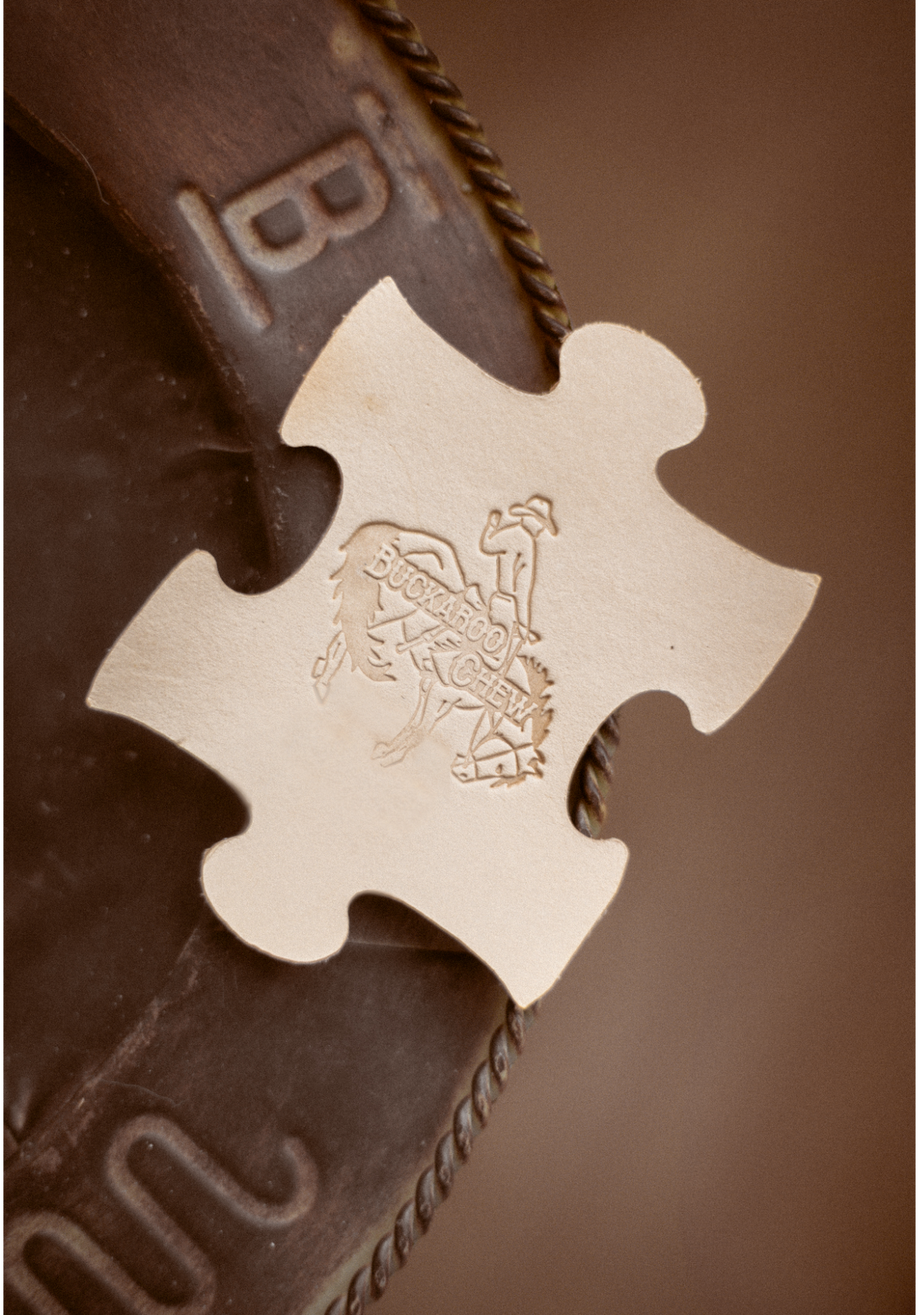
Buckaroo Chew teethers are designed to act as sensory anchors—something babies can return to again and again during teething, transitions, and moments of overwhelm.
They’re not meant to distract babies from their feelings—but to support them through those feelings.
Busy toys promise calm through distraction—but babies find calm through connection and consistency.
Sensory anchors work because they:
Sometimes, the most powerful thing we can offer a baby isn’t more stimulation—it’s something simple, steady, and safe to hold onto.
And in a world that’s constantly flashing and buzzing, that kind of calm is a gift—for babies and parents alike.