

Why I Stopped Buying Plastic Teethers (And What I Use Instead)
By Jamie, Founder of Buckaroo Chew
I own a horse. I read ingredient labels. I buy raw milk. I question plastic.
Some people call that crunchy. Some call it old-fashioned. One person called it cultish.
I call it motherhood. And for me, motherhood came with a story I don't take lightly.
We Had Accepted We Couldn't Have Kids
My husband and I had made peace with not having kids. It wasn't a wound we were nursing — it was just our life, and we were good with it. Out of sight, out of mind.
Then someone asked if we wanted to be prayed over. We said yes. We were prophesied over. And shortly after — I was pregnant.
Hazel wasn't planned. She was spoken into existence. And from the moment I found out she was coming, something in me shifted permanently. Suddenly I cared about everything she would ever touch, eat, breathe, or put in her mouth. I became the kind of woman who reads ingredient labels on baby products at 11pm. The kind who asks questions that inconvenience manufacturers.
And the first thing I dove into? Teethers.
What I Found When I Researched Baby Teethers
I started with the bestsellers. The ones with thousands of five-star reviews. The colorful silicone rings, the bright plastic keys, the gel-filled chew toys you see in every Target and baby boutique in America.
What I found floored me.
CBS This Morning ran a segment called "Teether Warning: Study says baby products may release harmful chemicals." Not a fringe blog. Not a conspiracy forum. Morning news.
CBS News published: "Baby teether study finds many contain potentially harmful chemicals."
A 1997 investigation found that stores across Denmark, Sweden, Italy, and Spain pulled plastic baby toys from shelves after researchers discovered that some teething rings released large amounts of phthalates — chemicals that have been linked to hormone disruption and developmental issues in children.
Nearly thirty years later, the headlines are still being written.
"Alarm sounds over toxic teething rings."
"Toxic Teethers — Be Careful What You Give Your Baby."
"What to Know About Teething Toys for Babies."
This wasn't a niche concern. This was decades of documented research showing that the most common baby teethers on the market contained:
- Plasticizers — industrial chemicals used to make plastic pliable, never meant to be chewed on by human beings
- Phthalates — a class of chemicals used in PVC and soft plastics, linked to endocrine disruption in infants
- BPA and BPA-adjacent compounds — even after BPA was banned from bottles and sippy cups, similar chemicals continued appearing in teethers
- Choking hazards — products that looked safe but degraded or broke apart with sustained use
- Questionable synthetic materials — rubber and silicone formulations with ingredient lists that offered no real transparency
The more I read, the angrier I got. These weren't products being marketed as "industrial use only." They were marketed specifically for babies. For the tiniest, most vulnerable humans. Products designed to go directly into their mouths — for hours every day — during a developmental stage when their bodies absorb everything.
I thought: Surely there's a simpler way than this.
Not trendier. Not louder. Not battery operated. Not secretly poisoning our children. Just honest materials that mothers have trusted for generations.
So I Looked Backward Instead of Forward
When you stop trusting the modern baby market, you start asking a different question. Not "which new product is safest?"but "what did mothers use before plastic existed?"
The answers were simple. Almost embarrassingly so.
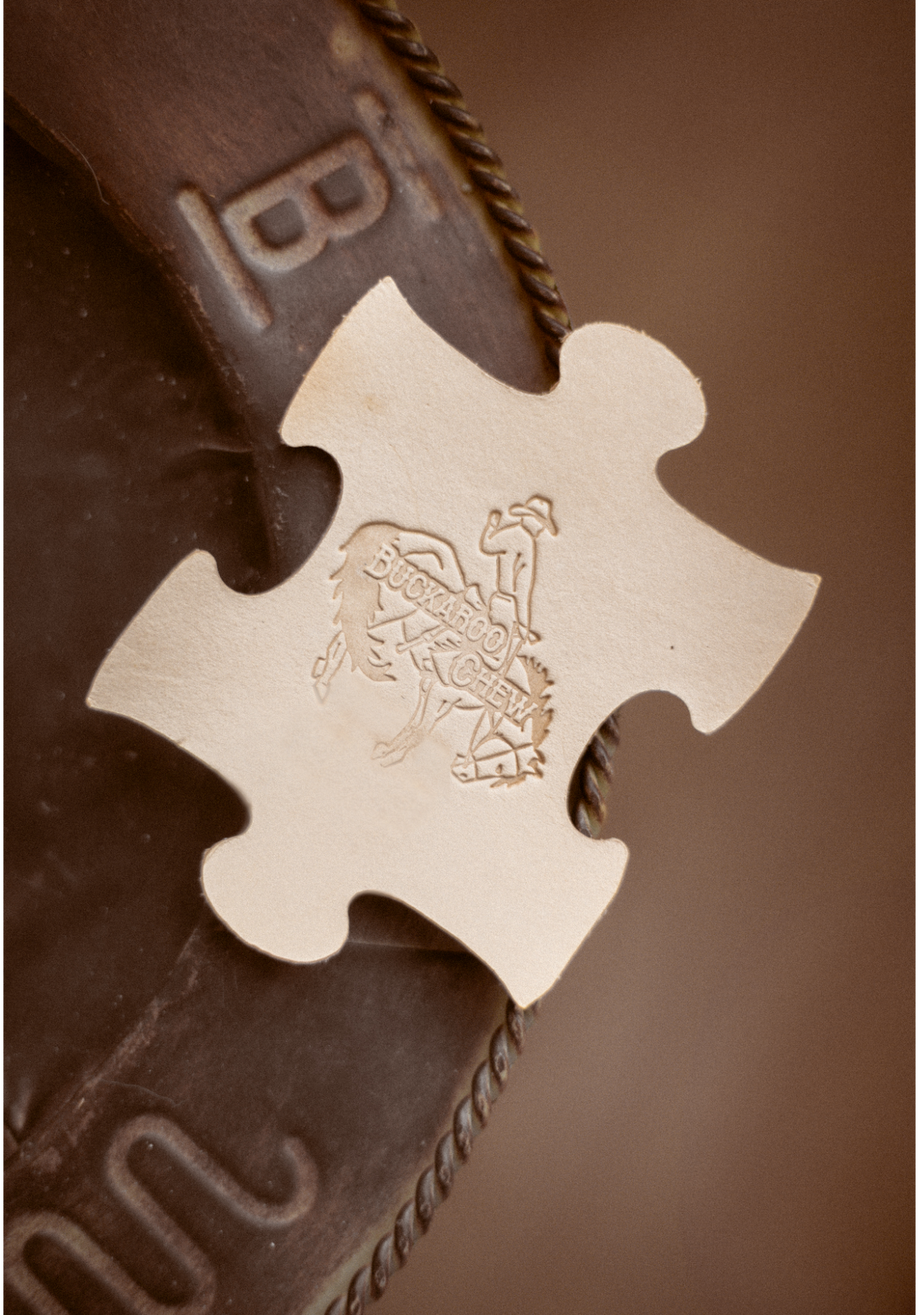
Natural leather. Durable, firm, naturally antimicrobial. A material humans have used for thousands of years that requires no synthetic additives to function.
Botanical remedies. Chamomile. Clove. Plants with centuries of documented use for soothing inflammation, calming discomfort, and supporting the body through hard seasons — including teething.
Simple materials with nothing to hide. The kinds of things pioneer mothers would have recognized immediately. No ingredient list that reads like a chemistry exam. No "proprietary blend" covering for something you wouldn't want near your baby's gums.
This wasn't revolutionary. It was a return.
Why Leather Works — And Why It's Safer Than What's on Store Shelves
If you've never considered leather as a teething material, the idea probably sounds strange. Here's why it's actually one of the most logical choices you can make:
It provides real counter-pressure. Teething babies aren't looking for something soft — they're looking for something to push against. Sore gums need resistance to feel relief. Leather delivers firm, consistent counter-pressure in a way that limp silicone simply can't.
Vegetable tanning means no harsh chemicals. Most commercial leather is tanned using chromium salts and industrial chemicals. Vegetable tanning uses natural tannins from plant materials — bark, leaves, organic compounds. The result is leather that is clean, naturally antimicrobial, and free from the synthetic processing agents that make conventional leather inappropriate for babies.
Mimosa finish adds natural protection. Our leather is mimosa vegetable-tanned, which gives it a smooth, natural finish with additional antimicrobial properties. No coatings. No dyes. No mystery.
It's completely transparent. We can tell you exactly what our leather is and how it was processed. That level of accountability is rare in the baby product industry — and it shouldn't be.
It gets better with use. Like any quality leather product, it softens slightly with time and develops a natural patina. The more your baby uses it, the better it fits their grip and the more comfortable it becomes.
That's How Buckaroo Chew Was Born
I didn't set out to start a baby brand. I set out to find something safe for Hazel.
When I couldn't find it, I built it.
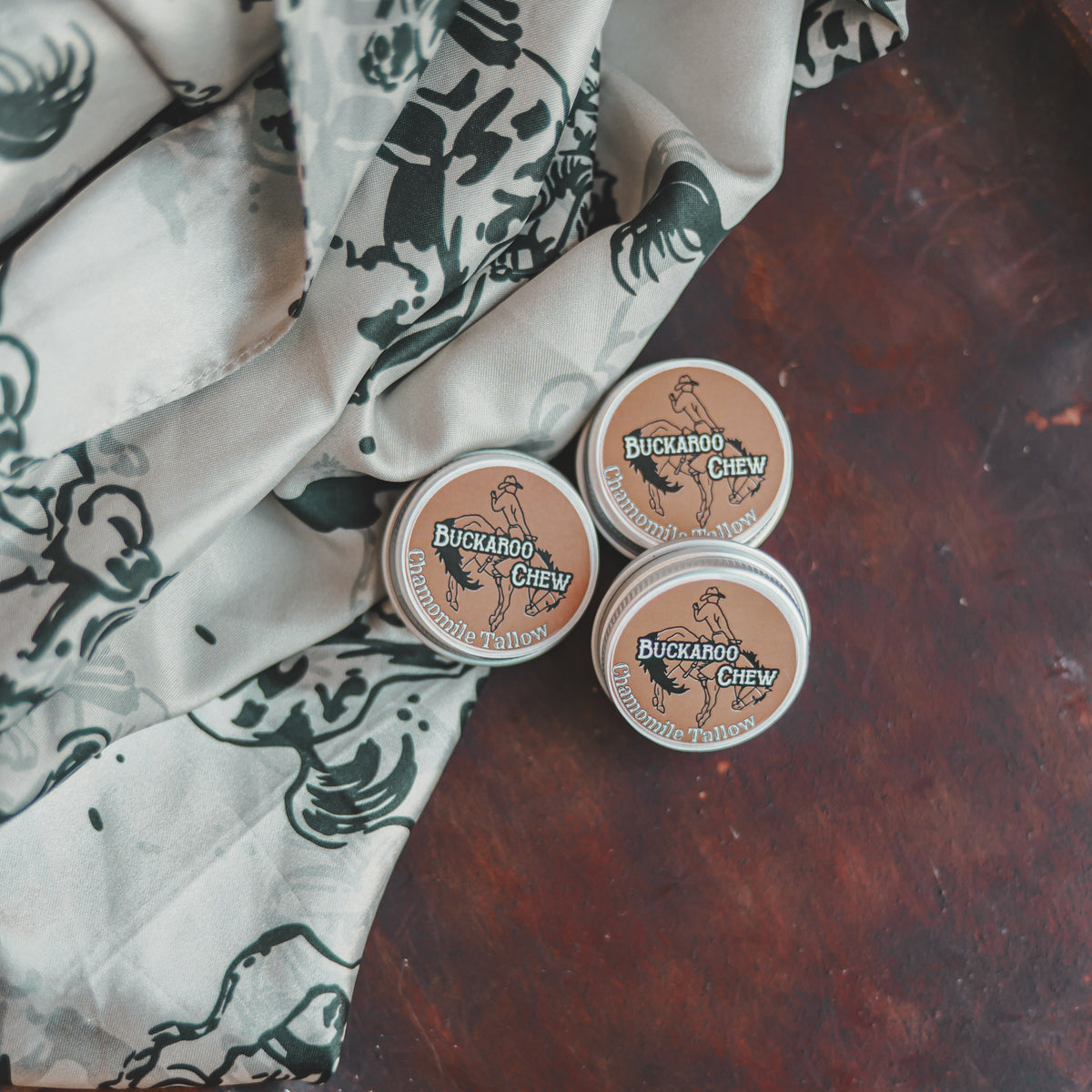
The leather teether came first — because if I was going to put something in my miracle daughter's mouth for hours every day, it was going to be something I could stand behind completely. Then came the chamomile-infused beef tallow balm — because chamomile has been used to soothe teething discomfort for centuries, and tallow is one of the most nourishing, skin-compatible fats that exists. Together, they became a system I was genuinely proud of.
Not because it's trendy. Not because it photographs well. Because after everything it took to get Hazel here, I was only ever going to give her the very best.
Now we're expecting our second. And the products I built for my first miracle are in the hands of thousands of families who feel the same way I do — parents who read labels, ask hard questions, and refuse to believe that "FDA approved" means "safe for my baby."
For the Mamas Who Get It
If you read ingredient labels, question plastic, and feel that low hum of anxiety every time you hand your baby something to chew on — you're not crazy. You're paying attention. And you deserve products made by someone who paid the same attention.
Call it crunchy. Call it old-fashioned. Call it cultish if it makes you feel better.
We call it taking teething back to basics.
Ready to Make the Switch?
Shop Buckaroo Chew at www.BuckarooChew.com — available on our website, Amazon, and TikTok Shop.
Vegetable-tanned leather teethers and chamomile tallow balm. No plasticizers. No phthalates. No mystery ingredients. Just real materials for real babies. 🤠